Find Heat Sink for Electronics, Automotive, and Machinery
Source 30 verified heat sink options from Guangdong suppliers. Buyers can compare materials like aluminum and copper, cooling types, and customization services for electronics, automotive, and machinery applications.
Key considerations
Products List




Comprehensive Sourcing Guide
Strategic Sourcing Guide for Industrial Heat Sinks
Understanding Core Technical Specifications and Material Composition
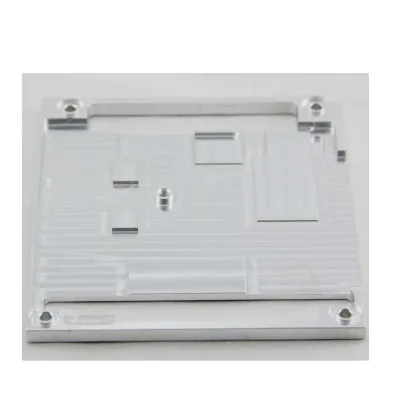
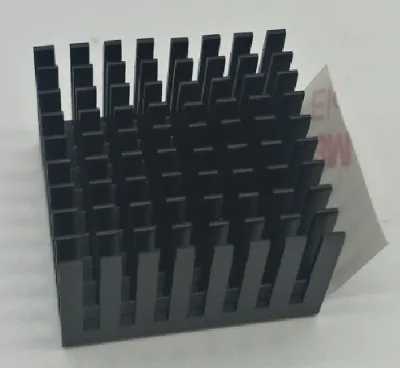
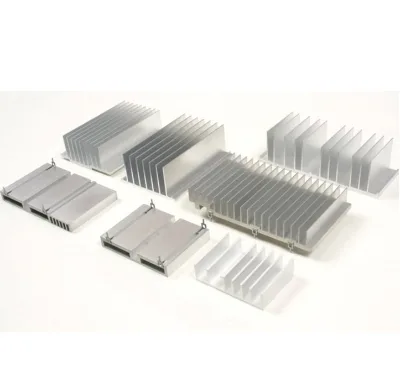
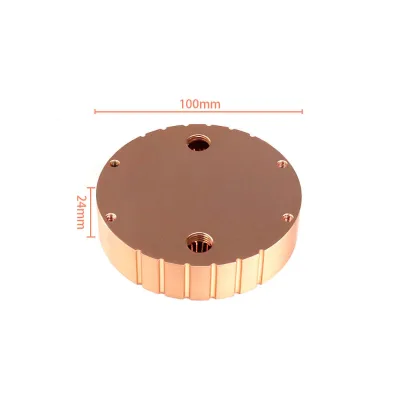
When sourcing heat sinks, the primary objective is to match thermal performance requirements with the physical constraints of the application. Based on available market data, the material composition is a fundamental differentiator. The supply chain frequently lists Aluminum as the standard material due to its favorable balance of thermal conductivity, weight, and cost. However, specific high-performance requirements often necessitate Copper, which offers superior thermal conductivity but at a higher weight and price point. Some listings indicate a hybrid approach, utilizing Copper & Aluminum combinations where a copper base is paired with aluminum fins to optimize heat transfer from the source while maintaining a lightweight structure.
The physical form factor and manufacturing standard are equally critical. Buyers should verify if the product adheres to specific dimensional standards or if it is fully customizable. Observed data suggests that while some units follow standard dimensions, others are produced to Customize specifications, with file formats like CAD, Solidworks, and Pdf being the accepted inputs for design. The structural integrity of the heat sink is often linked to the alloy quality, with references to High strength Aluminum alloy being a common specification for durability. Furthermore, the manufacturing process may involve Deep Drawing and Shaping Metal capabilities, indicating that the supplier possesses in-house die-making facilities capable of handling complex geometries.
The cooling mechanism is another vital technical parameter. The market presents distinct categories, primarily Air-Cooled systems and Combined systems. For air-cooled units, the integration of a Single-speed Fan is a common configuration, though some advanced units are marketed as Mute to reduce noise levels in sensitive environments. The Noise Level is a specific attribute that must be verified against the operational environment, as "Low" or "Mute" claims require validation through acoustic testing. Additionally, the Base material is often specified as Copper Base in high-end models to ensure efficient heat transfer from the CPU or power electronics. Buyers must confirm the CPU Type compatibility, as some listings claim support for All types, while others may have specific thermal interface requirements.
Compliance, Certification, and Regulatory Standards
Navigating the regulatory landscape is essential for international procurement, particularly when exporting to markets with strict environmental and safety mandates. The certification landscape for heat sinks is diverse, with CE appearing as a frequent compliance marker, indicating conformity with health, safety, and environmental protection standards for products sold within the European Economic Area. Beyond CE, RoHS (Restriction of Hazardous Substances) is a critical certification that ensures the product does not contain specific hazardous materials, a requirement for most electronics manufacturing.
Some suppliers list a broader suite of certifications, including ISO, CCC (China Compulsory Certification), and combined labels such as ISORoHS or CE. The presence of ISO certification suggests adherence to international quality management systems, while CCC is mandatory for products sold within mainland China. Buyers should treat these certifications as observations of the supplier's current compliance status rather than universal guarantees for every SKU. It is imperative to verify the specific certificate validity and scope, as a supplier may hold certifications for one product line but not another.
In addition to product-level certifications, the manufacturing process itself may be subject to standards. The prod_standard field often references OEM or Customize capabilities, implying that the production process is flexible enough to meet specific client standards. For automotive or heavy machinery applications, additional industry-specific standards may apply, though these are not explicitly detailed in the general product listings. Buyers must ensure that the Certification documents provided are current and issued by recognized bodies. The absence of a specific certification in a listing does not necessarily imply non-compliance, but it does require the buyer to request documentation to confirm the product meets the destination market's legal requirements.
Cost Drivers and Pricing Structure Analysis
The pricing of heat sinks is influenced by a complex interplay of material costs, manufacturing complexity, and order volume. The observed market price range is exceptionally broad, spanning from 0.01 to 5000 USD. This variance reflects the difference between simple, mass-produced aluminum extrusions and complex, custom-machined copper assemblies or integrated cooling systems. The Selling Units are typically listed as Single item, suggesting that pricing is often calculated per unit, but the MOQ (Minimum Order Quantity) ranges from 1 to 2000, indicating significant flexibility for small-batch buyers and volume discounts for large orders.
Material selection is the most significant cost driver. Aluminum heat sinks are generally more affordable due to the lower cost of raw materials and the efficiency of extrusion processes. In contrast, Copper and Stainless Steel options, which are also listed as available materials, command higher prices due to material costs and the more labor-intensive machining required. The inclusion of Fans or Cooling Water systems further increases the unit cost. For instance, a Combined system with Industrial Water cooling capabilities will be priced significantly higher than a passive air-cooled unit.
Customization is another factor that impacts cost. While Customization is listed as Available, bespoke designs require OEM/ODM services, which involve tooling costs, design fees, and longer lead times. The Service model often includes OEM/ODM, allowing for tailored solutions but at a premium. Buyers should also consider the prod_packing requirements, which vary from Paper Carton to Carton/Wooden Box. Specialized packaging for fragile or high-value items adds to the overall landed cost. The Press Capabilities of the supplier, ranging from 16ton to 300ton, also influence the manufacturing cost, as higher tonnage presses are required for larger or more complex stamping operations.
Typical Applications and Industry Use Cases
Heat sinks are ubiquitous across various industries, each with unique thermal management needs. The Application Fields explicitly listed include Electronics, which is the primary sector for CPU cooling and power electronics. In this domain, the CPU Type compatibility and Noise levels are critical, as electronic devices often require silent operation and precise thermal control. The Type of heat sink, whether Air-Cooled or part of a Combined system, dictates its suitability for different electronic enclosures.
Beyond electronics, the Usage data highlights applications in Automotive, Agriculture, Furniture, and Machinery. In the automotive sector, heat sinks are used for engine cooling, battery thermal management, and power electronics in electric vehicles. The High strength Aluminum alloy and Copper & Aluminum materials are particularly relevant here due to the harsh operating conditions. In Machinery, the Stamping Die capabilities and Deep Drawing processes are utilized to create durable heat dissipation components for heavy equipment. The Industrial Water cooling attribute suggests applications in large-scale industrial machinery where air cooling is insufficient.
The System Type being Combined indicates versatility in handling diverse thermal loads. For Furniture, while less common, heat sinks may be integrated into smart furniture or electronic displays. The Fans Species being Single-speed Fan suggests that many applications do not require variable speed control, simplifying the design. However, for high-performance computing or industrial automation, the Noise Level and Mute capabilities become crucial for user comfort and operational stability. Buyers must align the Application Fields with the specific thermal and environmental requirements of their end products.
Supplier Evaluation and Manufacturing Capabilities
Selecting the right supplier requires a deep dive into their manufacturing capabilities and service offerings. A key indicator of supplier maturity is the availability of in-House Die Making. This capability allows for greater control over the production process, faster prototyping, and the ability to handle custom designs without relying on external tooling partners. The Stamping Capacity, described as Deep Drawing and Shaping Metal, further confirms the supplier's ability to produce complex geometries.
The Service model is another critical evaluation point. Most suppliers offer OEM/ODM services, indicating a willingness to work closely with buyers to develop custom solutions. The File Format support, including CAD, Solidworks, and Pdf, demonstrates technical proficiency in handling digital design data. The availability of Samples as Free Available is a positive sign, allowing buyers to physically inspect the product quality before committing to a large order.
Geographic location is also a factor in supplier evaluation. The Place of Origin is consistently listed as Guangdong, China, a region known for its robust electronics and manufacturing ecosystem. This concentration of suppliers can offer competitive pricing and a wide variety of options. However, buyers should verify the prod_origin and Location details to ensure the specific factory meets their logistical and quality expectations. The Customized attribute and prod_standard of OEM suggest that suppliers are flexible and responsive to specific client needs.
Quality Control and Long-Term Procurement Considerations
Ensuring consistent quality is paramount in heat sink procurement. The Condition of the products is listed as New, which is a baseline expectation. However, buyers must go beyond this to verify the Material Available options, which include Copper, Stainless Steel, Carbon Steel, and Aluminum. The consistency of these materials across batches is essential for maintaining thermal performance. The Standard of High strength Aluminum alloy implies a focus on durability, but buyers should request material certificates to confirm the alloy composition.
Long-term procurement considerations include the stability of the supply chain and the ability to scale. The MOQ range of 1-2000 suggests that suppliers can accommodate both small startups and large enterprises. The prod_packing options, ranging from Paper Carton to Carton/Wooden Box, indicate flexibility in logistics. For long-term partnerships, buyers should assess the supplier's Lead Time and Production Capacity, although these specific metrics are not provided in the general data. The Service model, including OEM/ODM, suggests a potential for long-term collaboration where the supplier can adapt to evolving product requirements.
Finally, buyers should consider the Certification status as a long-term compliance factor. As regulations evolve, suppliers must maintain their CE, RoHS, ISO, and CCC certifications. The Customization availability ensures that the product can be adapted to future design changes. By focusing on these quality control and procurement factors, buyers can establish a reliable supply chain for heat sinks that meets both current and future thermal management needs.
| Feature | Observation from Data | Buyer Verification Action |
|---|---|---|
| Material | Aluminum, Copper, Stainless Steel, Carbon Steel | Request material test reports for specific alloys. |
| Certification | CE, RoHS, ISO, CCC, ISORoHS | Verify certificate validity and scope for target markets. |
| Customization | Available, OEM/ODM, Customize | Confirm file format support (CAD, Solidworks) and tooling costs. |
| Cooling Type | Air-Cooled, Combined, Industrial Water | Validate thermal performance for specific application loads. |
| Origin | Guangdong, China | Assess logistics and supply chain stability for the region. |
| Packaging | Paper Carton, Carton/Wooden Box, As Per Requests | Confirm packaging suitability for shipping and storage. |
| Samples | Free Available | Request samples to verify physical quality and finish. |
FAQs
What materials are available for heat sinks?
Available materials include Aluminum, Copper, Stainless Steel, and Carbon Steel. Aluminum is standard for cost balance, while Copper offers superior conductivity for high-performance needs.
Which certifications do these heat sinks hold?
Common certifications include CE, RoHS, ISO, and CCC. Buyers should verify specific certificate validity for each product line as compliance may vary across different SKUs.
Can I request custom dimensions for heat sinks?
Yes, customization is available with support for CAD, Solidworks, and PDF file formats. Suppliers offer OEM and ODM services to meet specific design requirements.
How is the cooling mechanism configured?
Options include Air-Cooled systems with single-speed fans or Combined systems using industrial water. Some units feature copper bases and are designed for low or mute noise levels.
What is the minimum order quantity for these products?
The minimum order quantity ranges from 1 to 2000 units depending on the supplier and product type. This flexibility accommodates both small prototype orders and large volume production runs.
Where are these heat sinks manufactured?
Products originate from Guangdong, China, a region known for robust electronics manufacturing. Buyers should verify specific factory locations to ensure alignment with logistical and quality expectations.